
1. Mind Cards Game Overview
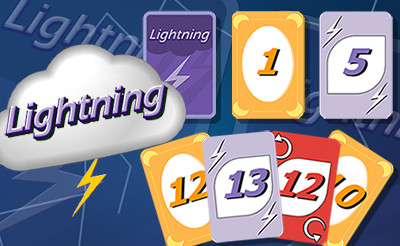
Mind Cards is a roguelike adventure card game that builds a complete survival challenge from a single shuffled deck. Every run deals you a randomly generated mix of monsters, gems, healing items, food, and skill cards — and your job is to navigate the full deck, making tactical decisions on every draw, managing your health, and building a card skill library powerful enough to handle whatever the game throws at you next.
The randomness is central to the design and central to the appeal. No two runs play identically — the deck composition, the order of encounters, and the challenge severity all vary each session, ensuring the game stays fresh across many plays. Strategic skill isn't just about knowing what to do; it's about reading the deck state you've been given and adapting your approach accordingly.
Gems are the game's progression currency. Collected during runs by picking up gem cards and completing quests, gems unlock new skill cards from a pool of 46 options. Each new skill card permanently expands your available tactical toolkit, giving future runs access to capabilities that didn't exist in earlier ones. This unlock progression layer gives long-term players an ever-deepening strategic vocabulary to apply against the game's escalating difficulty.
The result is a card game with genuine depth — one where each run teaches you something about deck composition, risk management, and resource timing, and where your growing skill card library makes each subsequent run feel more capable and more interesting than the last.
Key Details:
| Genre: | Card Game / Roguelike / Adventure Strategy |
| Difficulty Level: | Medium to Hard (scales with difficulty setting and player progress) |
| Average Play Time: | 15–30 minutes per run |
| Best For: | Strategy and roguelike enthusiasts who enjoy tactical decision-making, risk management, and character progression through unlockable skills |
2. How to Play Mind Cards
Getting Started:
- Begin a run with a randomly generated deck containing monsters, gems, healing, food, and skill cards.
- Draw cards one at a time and make tactical decisions for each draw.
- Fight or avoid monsters based on your current health and skill resources.
- Collect gem cards whenever possible — they fund skill card unlocks between runs.
- Use healing and food cards to recover health and sustain your run through difficult monster sequences.
Basic Controls:
- Draw Cards: Progress through the deck by drawing cards from the top.
- Decision Interface: Choose to fight, flee, use items, or activate skills when prompted by each card type.
- Skill Card Activation: Trigger unlocked skill cards from your available toolkit during encounters.
Objective: Survive the full deck — making it through every card draw without your health reaching zero. Collect as many gems as possible to unlock new skill cards. Complete quests for additional gem rewards and deeper strategic options.
3. Mind Cards Features & Highlights
- ✓ Randomly generated decks — every run features a unique card composition and order, ensuring genuine replayability
- ✓ 46 unlockable skill cards — a growing tactical toolkit that expands with each gem investment
- ✓ Fight or flee monster decisions — risk-reward choices that require health state awareness and resource management
- ✓ Quest completion rewards — finishing run objectives earns bonus gems that accelerate skill card progression
- ✓ Escalating difficulty settings — adjustable challenge level for both newer and experienced players
4. Mind Cards Tips & Strategies
Beginner Tips:
- Don't fight every monster. Avoiding some monsters conserves health for the inevitable ones you can't dodge. Assess each monster encounter: is the health cost of fighting worth it given your current state and remaining deck size?
- Prioritize gem collection. Gems are your progression currency — they unlock skill cards that make future runs significantly more capable. In early runs, prioritize collecting gems even when other choices might yield short-term health benefits.
- Treat food and healing cards as resources, not reactions. Using a healing card the moment you take damage is instinctive but suboptimal. Save healing for when your health is genuinely critical — wasting it on minor damage leaves you vulnerable to larger threats later in the deck.
Advanced Strategies:
- Build toward synergistic skill combinations. As your skill card library grows to 46 options, focus on unlocking cards that work together rather than individually powerful cards in isolation. A skill combination that multiplies effectiveness beats two separate strong skills every time.
- Read the deck state mid-run. As you draw cards, form a mental model of what's likely remaining. If you've seen few monsters early, more may be clustered ahead — conserve health accordingly. If you've collected many gems, you're well-positioned to be more aggressive with remaining encounters.
- Complete quests even at marginal health cost. Quest completion gems are significant enough that taking minor health penalties to fulfill quest objectives is usually worthwhile — especially in runs where your health is already managed well.
What to Watch Out For:
- Monster clustering. Random deck generation can create runs where several high-difficulty monsters appear consecutively. If your health drops critically in a monster cluster, evaluate whether avoiding the next encounter is better than risking a run-ending fight.
- Unlocking skill cards without a plan. With 46 skill cards available, unlocking randomly without a strategic direction produces a scattered toolkit rather than a coherent one. Think about which skill categories complement your natural playstyle before spending gems.
5. Mind Cards Game Elements Explained
The Random Deck System: Mind Cards' core randomness engine is the deck composition at the start of each run. Unlike card games with fixed decks, each session deals a unique shuffle of card types — monsters of varying difficulty, gem cards of different values, healing and food items, and skill activations — in a random order. This randomness creates the roguelike replayability that keeps runs fresh: the same strategic principles apply every run, but the specific challenges, their sequence, and the resources available to meet them vary session to session. Skilled players don't memorize a fixed solution — they read the deck they've been given and adapt their decision framework to its specific composition.
The Gem and Skill Unlock System: Gems collected during runs serve as currency for unlocking skill cards from a pool of 46 options. Each new skill card permanently becomes available to use in future runs, gradually expanding the tactical vocabulary available to the player. This progression system gives Mind Cards a long-term engagement loop that runs parallel to the individual run challenge: each run is a survival test and a gem-gathering opportunity, and each gem spent is an investment in future runs' capability. The 46-card skill library is large enough to support multiple viable strategic directions — aggressive combat builds, evasion-focused survival builds, and hybrid approaches — giving players genuine creative expression in how they develop their toolkit over time.
The Health and Risk Management System: Your health is the most critical resource in Mind Cards — the run ends when it reaches zero, regardless of how many gems you've collected or quests you've completed. Every encounter decision is fundamentally a health management decision: fighting a monster costs health based on the monster's difficulty and your current skill resources; fleeing preserves health at the cost of other benefits; using a healing card recovers health at the cost of spending a resource that could have been useful later. The balance between these three options — fight, flee, heal — is the tactical decision loop that runs through every card draw. Players who manage health as a finite strategic resource (rather than reacting to damage) consistently survive longer and collect more gems than those who play reactively.
6. Mind Cards Frequently Asked Questions
Q: What happens when I draw a monster card?
A: You're presented with the option to fight the monster or attempt to avoid it. Fighting costs health based on the monster's difficulty (modified by any relevant skill cards you've activated). Avoiding preserves health but may forfeit resources or trigger other consequences depending on the specific encounter.
Q: How do I unlock new skill cards?
A: Collect gem cards throughout your runs. At the end of a run (or between runs), spend accumulated gems to unlock new skill cards from the 46-card pool. Each unlocked card becomes permanently available for use in all future runs.
Q: Do skill cards carry over between runs?
A: Unlocked skill cards are permanently added to your available pool, but the specific cards you use in any run depend on what appears in that run's randomly generated deck. Unlocking cards expands the pool — it doesn't guarantee they appear in every run.
Q: Is there a way to make the game easier or harder?
A: Yes — Mind Cards includes adjustable difficulty settings. Starting at a lower difficulty while building your skill card library through gem collection is recommended for new players; veteran players can increase difficulty for a more demanding challenge once their skill toolkit is developed.
Q: What are quests and how do they work?
A: Quests are specific objectives within a run — typically requirements like defeating a certain number of monsters, collecting a minimum gem count, or surviving specific encounter types. Completing a quest earns bonus gems beyond what you'd collect from the deck alone, accelerating your skill card unlock progression.