







1. Random Cards Tower Defense Game Overview
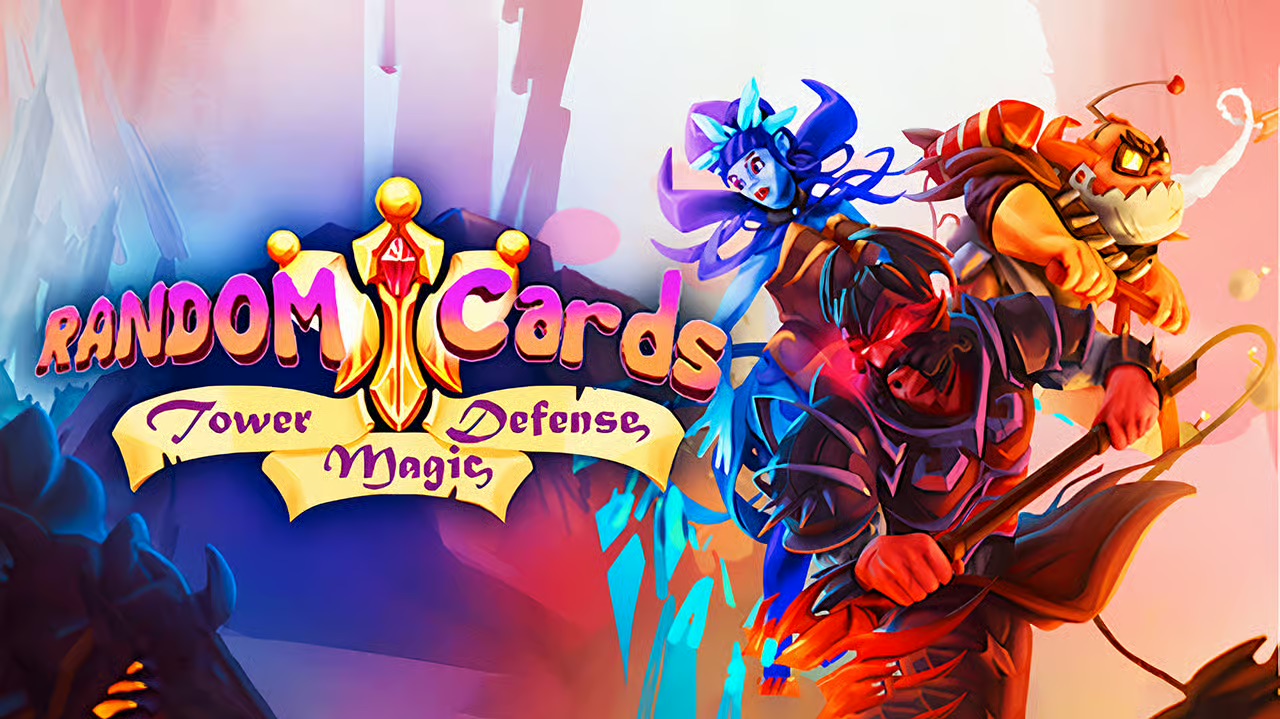
Random Cards Tower Defense is a strategy game that combines the card-collection mechanics of a deck-builder with the positional defense challenge of a tower defense game. Rather than placing towers on fixed grid points, you assemble a hand of powerful cards, position them to defend against incoming enemy waves, and upgrade them through battle. The "random cards" element introduces genuine uncertainty into your strategy — you're not building the defense you planned, you're adapting the best defense possible from what you've been dealt.
The card-based approach to tower defense creates a fundamentally different planning challenge from standard TD games. In a traditional tower defense, you choose your towers from a known set and place them deliberately. In Random Cards Tower Defense, your available options are drawn from a deck, meaning the composition of your defense depends partly on what cards appear — and your strategic skill lies in maximizing the effectiveness of whatever combination you receive.
Each card in your arsenal has its own combat properties, synergies, and upgrade potential. Building a coherent defense from a random hand requires understanding which cards complement each other, which enemy types each card handles best, and which upgrade paths provide the most defensive value per resource spent. The game rewards players who can read a random hand quickly and construct an effective defense from imperfect materials — a skill that develops significantly across multiple sessions.
For players who love both strategic card games and tower defense games, Random Cards Tower Defense offers an appealing hybrid that combines the replayability of randomized card draws with the satisfying geometry of wave-defense positioning.
Key Details:
| Genre: | Tower Defense / Card Strategy |
| Difficulty Level: | Medium to Hard |
| Average Play Time: | 15–30 minutes per session |
| Best For: | Strategy game fans who enjoy deck-building, tower defense, and the creative challenge of building optimal defenses from variable card sets |
2. How to Play Random Cards Tower Defense
Getting Started:
- Draw cards from your deck to form your defensive hand.
- Assess each card's combat properties and identify how they complement each other.
- Position your cards strategically on the battlefield to defend against incoming enemy waves.
- Analyze enemy strengths and weaknesses to place each card type where it's most effective.
- Upgrade cards using battle resources to strengthen your defenses between waves.
Basic Controls:
- Card Selection: Click a card from your hand to select it for placement.
- Placement: Click a valid battlefield position to deploy the selected card as a defensive unit.
- Upgrade Interface: Access the upgrade menu between waves to spend resources on card improvements.
Objective: Defend against escalating enemy waves using strategically positioned and upgraded cards. Survive all waves to win the scenario.
3. Random Cards Tower Defense Features & Highlights
- ✓ Random card draw mechanics — each session deals a unique defensive hand, requiring adaptive strategic thinking
- ✓ Card upgrade system — improve individual cards' combat effectiveness using resources earned through battle
- ✓ Multiple tower defense scenarios — varied battlefield configurations that demand different defensive approaches
- ✓ Strength-and-weakness enemy system — enemy types have specific vulnerabilities that reward matched card deployment
- ✓ Decision-making under pressure — real-time wave management requires quick analysis alongside longer-term strategic planning
4. Random Cards Tower Defense Tips & Strategies
Beginner Tips:
- Read your cards before the first wave. Take time to understand what each drawn card does — its range, damage type, attack speed, and any special properties — before the first enemy wave begins. Deploying cards without understanding them leads to inefficient placements.
- Cover multiple attack vectors. Enemies typically approach from more than one direction. Ensure your card placements create overlapping coverage rather than concentrating all defense at one chokepoint.
- Upgrade your most-used card first. Identify which card in your current hand is doing the most defensive work and upgrade it first. A stronger version of your best card provides more value than partial upgrades spread across several cards.
Advanced Strategies:
- Build for synergy, not individual strength. Two cards that complement each other — one that slows enemies and one that deals high damage to slowed targets — often outperform two individually stronger cards that don't interact. Evaluate the hand as a system, not as separate pieces.
- Anticipate enemy scaling. Early waves test your basic placement; later waves introduce enemy types with higher HP, faster movement, or resistances that counter specific card damage types. If you can identify what later waves will look like, plan your upgrades to match.
- Exploit map chokepoints. Every battlefield has positions where enemies must funnel through a narrow path. Cards placed at these chokepoints deal damage to more enemies per unit of time than cards placed in open areas. Prioritize chokepoint coverage with your highest-damage cards.
What to Watch Out For:
- The random hand bottleneck. Some card draws are inherently stronger than others for specific scenarios. If your hand lacks a key defensive type (area damage, high single-target damage, slow effects), acknowledge the gap early and compensate by upgrading your available cards more heavily rather than hoping a future draw fills it.
- Over-upgrading a single card. While upgrading your best card is generally correct, fully maxing one card while others remain at base level creates defense gaps that enemies can exploit. Spread upgrades more broadly once your primary card reaches adequate strength.
5. Random Cards Tower Defense Game Elements Explained
The Random Card Draw System: The defining feature that makes Random Cards Tower Defense distinct from standard tower defense games is the random draw mechanic for your defensive arsenal. Rather than selecting from a fully known set of towers, you draw cards from a deck — receiving whatever combination appears in that draw as your defensive building blocks for the session. This randomness creates genuine strategic variability: the defense you build from one hand of cards may look completely different from the defense you'd build from another, even in the same scenario. The skill of the game lies in rapidly evaluating whatever hand you receive, identifying its strengths and weaknesses, and constructing the most effective possible defense from imperfect materials. Players who can adapt quickly to variable hands consistently perform better than those who rely on a single practiced strategy.
The Card Upgrade System: Resources earned through successfully defeating enemy waves can be invested in upgrading individual cards in your defensive lineup. Each upgrade improves a card's combat properties — increasing damage output, extending attack range, improving attack speed, or unlocking special abilities. The upgrade system creates a resource allocation decision at the end of each wave: which card provides the most defensive value per upgrade point invested, given the enemy types you're currently facing and anticipate facing in upcoming waves? Correct upgrade sequencing — strengthening your defensive weaknesses before they become critical rather than only upgrading existing strengths — is the primary strategic skill the upgrade system develops.
The Multi-Scenario Battlefield System: Random Cards Tower Defense offers multiple distinct battlefield configurations that each present unique defensive challenges. Different scenarios have different map layouts, chokepoint positions, enemy approach paths, and available deployment zones. A defense strategy that works perfectly in one scenario may be completely inadequate in another due to the different geometry of enemy movement and positioning constraints. Adapting your card placement philosophy to each scenario's specific map — rather than applying a fixed template across all scenarios — is what makes the game consistently challenging even for players who have mastered the card system. Each new scenario is effectively a new puzzle that requires fresh positional analysis alongside the ongoing card-management challenge.
6. Random Cards Tower Defense Frequently Asked Questions
Q: How are cards drawn and deployed?
A: Cards are drawn from your deck into your hand. Select a card from your hand by clicking it, then click a valid battlefield position to place it as a defensive unit. The random draw determines which cards are available each session.
Q: Can I choose which cards to draw, or is it always random?
A: The draw is random — you receive whatever cards appear from your deck. Your strategic skill lies in maximizing the effectiveness of whichever cards you've drawn, rather than building a predetermined defense.
Q: What should I do if my drawn hand seems weak?
A: Identify the strongest card in your hand and prioritize upgrading it significantly. Lean into whatever strengths your current hand does provide, cover your most critical defense points first, and adapt your placement positions to compensate for missing defensive types.
Q: How do I upgrade cards?
A: Access the upgrade interface between waves. Spend resources earned from defeating enemies to improve individual cards' combat properties. Focus upgrades on your most active defensive cards rather than spreading them evenly across all deployed cards.
Q: Are some scenarios harder than others?
A: Yes — scenarios vary in difficulty based on battlefield layout, enemy composition, and wave intensity. Starting with scenarios designed for new players builds the card-evaluation and upgrade-sequencing skills needed for harder configurations.