







1. Foono Online Multiplayer Game Overview
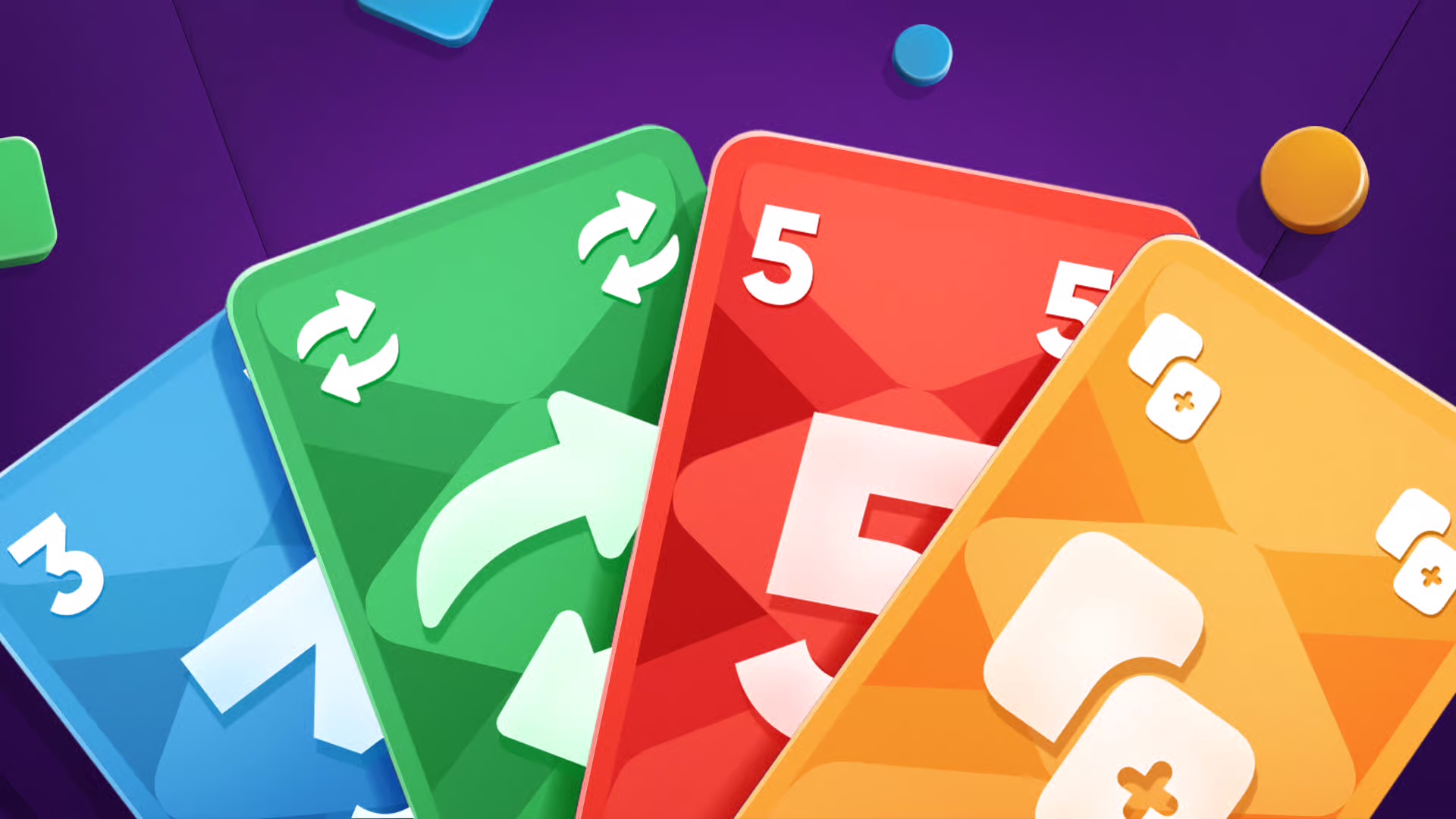
Foono Online Multiplayer is a polished, feature-rich multiplayer card game from developer Foony that takes the beloved Uno-style hand-shedding formula and surrounds it with one of the most flexible room systems in the genre. The result is a game that works equally well as a casual drop-in experience for a quick competitive match and as a fully customized private game room tailored exactly to your preferences.
The core gameplay is immediately familiar: each player starts with seven cards and races to empty their hand by playing cards that match the current discard pile's color or number. Special cards create disruption and momentum shifts. The first player to clear their hand wins and earns coins. But the depth of the room customization system around this familiar core is what genuinely distinguishes Foono from the crowded field of Uno-style games.
Creating your own room means choosing your difficulty bracket, setting the player count, and deciding whether your opponents are human players from around the world, bots of varying competence, or any combination of the two. You can run a room of two players for an intimate duel. You can create a massive room filled with dozens of bots for a chaotic, fast-paced practice environment. You can build a medium room with a mix of humans and bots for a casual social experience. That flexibility is genuinely rare and makes Foono adaptable to almost any mood or competitive appetite.
Whether you're looking for your first experience with Uno-style card games or a well-built version with more options than most, Foono Online Multiplayer delivers.
Key Details:
| Genre: | Card Game / Online Multiplayer |
| Difficulty Level: | Easy to Medium (room difficulty is player-selected) |
| Average Play Time: | 10–20 minutes per match |
| Best For: | Card game enthusiasts who want flexible room customization alongside competitive Uno-style gameplay; great for all experience levels |
2. How to Play Foono Online Multiplayer
Getting Started:
- Join a public room or create your own with custom difficulty and player settings.
- Each player receives seven cards at the start of the match.
- On your turn, play a card matching the current discard pile's color or number.
- If you have no valid card, draw from the deck until you find one.
- Use special cards strategically to disrupt opponents and accelerate your hand reduction.
- The first player to discard all seven (and any drawn) cards wins and earns coins.
Basic Controls:
- Click / Tap Card: Select a valid card from your hand to play it.
- Click / Tap Deck: Draw from the pile when no valid play is available.
- Room Setup Interface: Access difficulty settings, player count, and bot configuration when creating a private room.
Objective: Empty your hand before any other player at the table. Use color and number matching alongside strategic special card timing to reach zero cards first and claim the coin reward.
3. Foono Online Multiplayer Features & Highlights
- ✓ Highly customizable room system — set difficulty, player count, and bot-to-human ratio for each private room
- ✓ Public and private room options — join global lobbies instantly or create a controlled environment with your own settings
- ✓ Scalable player count — rooms can range from two players up to configurations with many bots
- ✓ Coin reward system — winning matches earns coins, giving every victory tangible progression value
- ✓ Improved graphics and gameplay — Foony's enhanced visual presentation over comparable Uno-style titles
4. Foono Online Multiplayer Tips & Strategies
Beginner Tips:
- Start in an easy room to learn the flow. Foono's difficulty settings mean you can choose opponents that match your current skill level. Easy rooms with fewer, less aggressive bots are the ideal environment for learning the special card interactions before competing in skilled rooms.
- Play a card every turn if possible — never draw voluntarily. Drawing when you have a valid play is always wrong. Even a non-ideal valid card is better than adding to your hand unnecessarily.
- Watch the turn order and time your special cards. A Skip or Draw card is most effective against the player who is about to go — track whose turn it is before deciding whether to play a disruptive card now or hold it one more turn.
Advanced Strategies:
- Use private rooms with bot-heavy configurations for targeted practice. A room with many bots cycling quickly through turns gives you more hands per hour than a slower human-only room. Use this to practice specific situations — what to do with a color-heavy hand, how to manage a Draw card standoff — without the pressure of competitive human play.
- In human rooms, read hesitation as hand quality signals. Players who play immediately typically have multiple valid options; players who pause have fewer. Use this informal tell to gauge whether someone is close to winning or struggling with their hand.
- Chain color runs when the active color aligns with your hand. If the current discard pile color matches where most of your cards sit, play aggressively through that color to dump your hand quickly before a color change disrupts your sequence.
What to Watch Out For:
- Underestimating skilled-room bots. Foono's skilled-level bots are meaningfully more competent than easy-room AI. They time special cards more deliberately and play more efficiently. Entering a skilled room expecting pushover opponents will result in a quick education.
- Over-investing in a single color. If all your cards are the same color and an opponent plays a color-change card, you're suddenly unable to play on their following turn. Keep at least a few cards of different colors and a Wild card in your hand at all times as color-shift insurance.
5. Foono Online Multiplayer Game Elements Explained
The Room Customization System: Foono's room system is its defining feature and what most meaningfully differentiates it from competitors. When creating a private room, players control three key variables: difficulty level (easy, intermediate, or skilled — which affects the competence of any bots in the room), player count (from a minimal two-player duel up to large configurations), and the mix of human versus bot participants. This customization makes Foono work across a wide range of player needs. A beginner wanting a gentle learning environment creates an easy room with many weak bots. A competitive player wanting focused human competition creates a skilled room with no bots and minimal player count. A group of friends wanting a casual social game creates a room with a friendly mix. No other configuration — including public lobbies — gives you this level of control over your match environment.
The Seven-Card Hand System: Each player begins with exactly seven cards — a starting hand size that creates meaningful strategic tension from the very first turn. Seven cards is enough to hold a variety of colors and numbers (plus potentially some special cards), but not so many that the hand feels unmanageable. The race to reduce seven cards to zero through a combination of matched discards and special card plays defines the match's entire arc. Early turns often involve probing the pile's color and number with whatever valid card is most common in your hand; mid-game involves strategic special card timing; the endgame requires precision — the wrong play in the last three cards can hand the match to an opponent who was two cards behind you thirty seconds ago.
The Special Card and Coin Economy: Foono's special cards — color changers, turn disruptions, draw penalties, and other action cards — are the game's tactical weapons. They can be played whenever they're valid, and their effects trigger automatically against the targeted player. The coin reward for winning matches creates an ongoing progression incentive that makes each match feel more meaningful than a simple pass-time session. Coins earned through wins can accumulate across sessions, potentially funding cosmetic or feature unlocks depending on the version. This economy gives players a reason to care about winning beyond the immediate match result — each victory has a measurable payoff that feeds into a longer-term progression sense even in a game with a relatively short individual match duration.
6. Foono Online Multiplayer Frequently Asked Questions
Q: How do I create a private room in Foono?
A: From the main lobby, select the option to create a room. You'll then be able to set the difficulty level, choose the number of players, and configure the bot-to-human ratio before opening the room to participants.
Q: Can I play Foono with only bots — no other human players?
A: Yes — when creating a private room, you can fill all opponent slots with bots. This is useful for practice sessions or when you want to play without waiting for human participants to join.
Q: What do coins do in Foono?
A: Coins are earned by winning matches and represent your in-game currency. Depending on your version, they can be used for cosmetic unlocks or room features. The primary motivation is the reward for competitive wins — every match you win earns you coins.
Q: What's the difference between easy, intermediate, and skilled room difficulty?
A: Difficulty controls the strategic competence of bot opponents in your room. Easy bots play less efficiently and make more suboptimal decisions. Skilled bots time their special cards more deliberately and play their hand more effectively. Human players in a room are unaffected by the difficulty setting — it only governs bot behavior.
Q: Is Foono Online Multiplayer playable on mobile?
A: Yes — the game's touch-friendly interface works in mobile browsers without requiring a download, making it fully accessible on phones and tablets.