
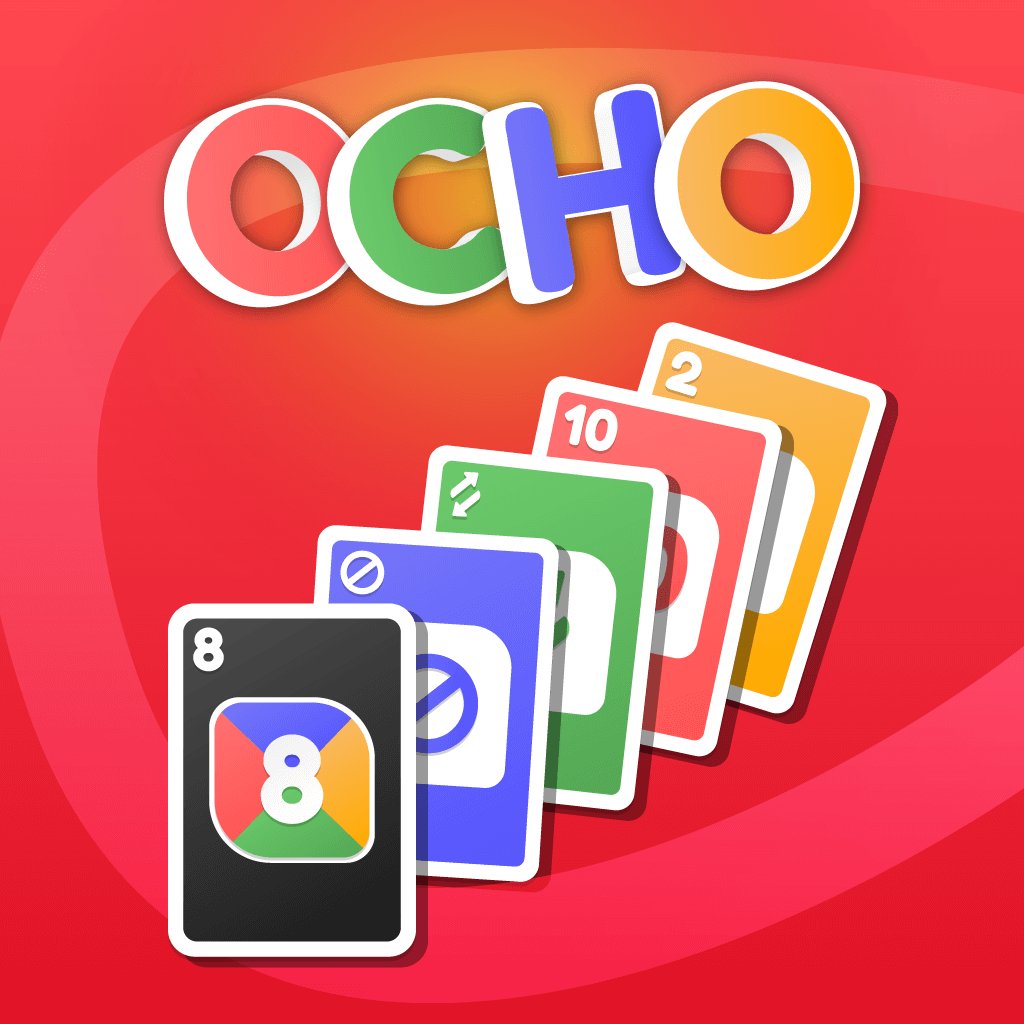

1. Four Colors Multiplayer Game Overview
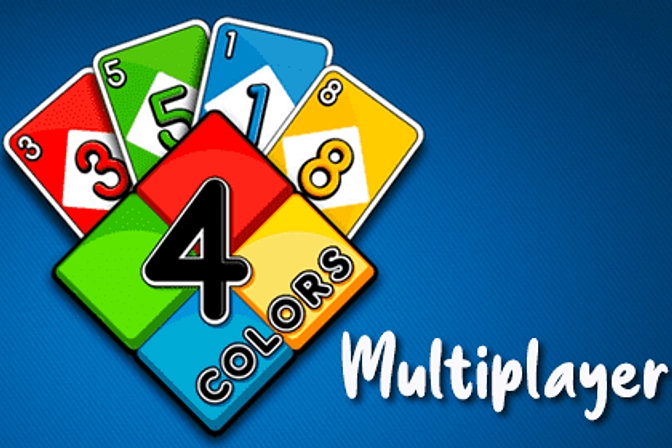
Four Colors Multiplayer is a fast, vibrant card game that takes the beloved Uno-style formula and packages it in a browser-ready multiplayer experience built for competitive play against friends or strangers worldwide. Built around four distinct card colors — blue, green, yellow, and red — the game is a race to empty your hand before every other player at the table, with special action cards creating constant disruption along the way.
What makes Four Colors Multiplayer compelling isn't any single rule that differs from the Uno archetype — it's how well the whole package comes together for quick, competitive online play. The color-and-number matching mechanic is immediately familiar to virtually anyone who's touched a card game, which means the time from "open game" to "playing competitively" is measured in seconds, not minutes. Yet the strategic depth that emerges from hand management, special card timing, and reading the table is genuine.
The four-color framework creates interesting cross-color dynamics: the colors aren't just aesthetic — they're the primary language of the match, since every card play either maintains the current color conversation or disrupts it. Wild cards are your trump card for hard resets, Skips punish opponents at critical moments, and Reverses can completely flip the turn order dynamic when they're most needed. Managing when to hold these cards and when to deploy them is the skill that separates consistent winners from players who win by luck.
Whether you're playing a quick solo session against random opponents or gathering friends for a competitive bracket, Four Colors Multiplayer delivers a reliable, engaging card game experience every time.
Key Details:
| Genre: | Card Game / Multiplayer |
| Difficulty Level: | Easy to Medium |
| Average Play Time: | 10–20 minutes per match |
| Best For: | Casual and competitive card game players who enjoy fast-paced multiplayer hand-shedding games |
2. How to Play Four Colors Multiplayer
Getting Started:
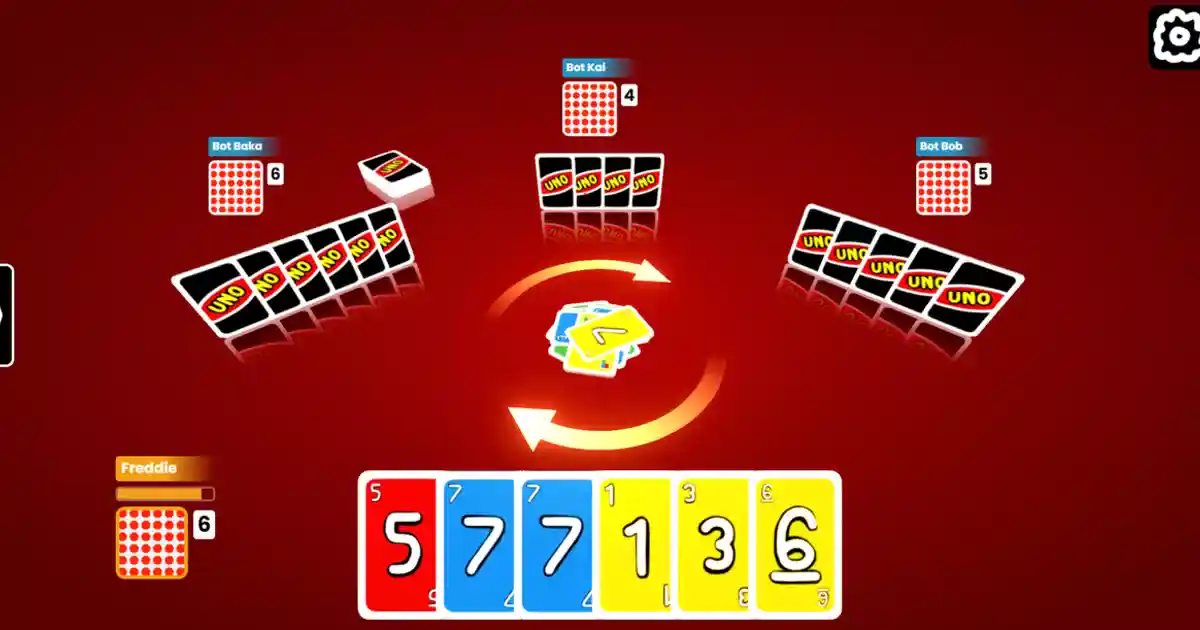
- Each player is dealt a starting hand of cards in the four colors: blue, green, yellow, and red.
- One card is placed face-up on the discard pile to set the opening color and number.
- On your turn, play a card that matches either the color or number of the top discard pile card.
- If you have no valid card, draw from the deck until you find one you can play.
- The first player to discard all their cards wins the match.
Basic Controls:
- Click / Tap Card: Select a valid card from your hand to play it to the discard pile.
- Click / Tap Deck: Draw a card when no valid play is available in your hand.
- Special Cards: Played the same way as regular cards — click to play when valid, and their effects trigger automatically.
Objective: Empty your entire hand before any other player. Use color and number matching combined with strategic special card deployment to shed cards faster than your opponents.
3. Four Colors Multiplayer Features & Highlights
- ✓ Four-color card system — blue, green, yellow, and red create a vibrant, clearly readable competitive card framework
- ✓ Global multiplayer — challenge players worldwide or invite friends for competitive matches
- ✓ Full special card suite — Skip, Reverse, and Wild cards add strategic disruption to the core matching mechanic
- ✓ Fast-paced match format — games move quickly, making it ideal for short competitive sessions
- ✓ Browser-based accessibility — no download required; play instantly on any device
4. Four Colors Multiplayer Tips & Strategies
Beginner Tips:
- Match by color when your hand is heavy in one color. If you're holding six red cards and two blue, redirecting the pile to red with a color match or Wild card opens up a rapid hand-reduction sequence.
- Don't play your Wild card first. Wild cards are the most flexible resource in your hand — they can be played on anything. Save them for situations where you're stuck with no valid color or number match, rather than burning them as convenient early plays.
- Watch opponent hand sizes. The player closest to winning should be your primary target for Skip and Reverse cards — not the player to your immediate left by default.
Advanced Strategies:
- Chain color runs deliberately. If multiple players are contributing to the same color, you can ride that current by playing same-color cards in sequence, reducing your hand rapidly without spending any special cards.
- Use Reverse to redirect Skip pressure. If you play a Reverse just before someone plays a Skip against you, the Skip hits a different player entirely. Timing Reverses to intercept incoming disruption is a high-skill play that wins matches.
- Control the color when you have depth. Use Wild cards to switch the active color to whichever color you hold the most cards in. Then play aggressively through that color — opponents must adapt to your color while you're clearing your deepest pocket.
What to Watch Out For:
- Holding Wild cards too long. Players who refuse to spend Wild cards until a "perfect" moment often find themselves in situations where no perfect moment arrives, and the Wild has been dead weight for most of the match. Use it when it provides meaningful advantage, not only when it's strictly necessary.
- Forgetting to track the draw pile. When the draw pile runs low, the discard pile shuffles to replenish it. If you know the draw pile is nearly exhausted, factor that into your strategy — the reshuffled discard pile changes the expected card distribution.
5. Four Colors Multiplayer Game Elements Explained
The Four-Color Card System: Four Colors Multiplayer is built around a deck divided into four color suits — blue, green, yellow, and red — each containing numbered cards and a complement of special action cards. The color system is the primary matching language: every turn, the active color determines which cards are immediately playable without needing a number match. Managing your hand's color distribution is the foundational strategic skill — a hand spread across all four colors is flexible but shallow; a hand heavy in one or two colors is deeper but requires color changes to play efficiently. The four-color framework creates more complex color-shift dynamics than a two-color system, since changing the active color from red to blue affects what both the immediately next player and all subsequent players in the round can easily play.
The Special Card System: Three types of special action cards create the game's primary disruption mechanisms. Skip forces the next player to draw two cards from the deck and forfeit their turn — a powerful swing card when deployed against a player with two cards remaining. Reverse switches the direction of play (clockwise to counter-clockwise or vice versa), which reshuffles the turn-order dynamics and can redirect incoming Skips or protect a player who was about to be targeted. Wild cards are the game's most flexible tool: they can be played on any card regardless of color and allow you to declare the new active color for the next player. Managing the timing of all three special card types — spending them when their impact is maximized rather than at first opportunity — is the advanced skill layer that determines match outcomes at higher levels of play.
The Global Multiplayer System: Four Colors Multiplayer connects you with players from around the world for live competitive matches. The matchmaking system brings together players for real-time games where the human unpredictability of opponents creates a fundamentally richer experience than AI play. Live opponents bluff, hold cards strategically, adapt to your patterns, and make surprising decisions that no scripted AI can replicate. The global player pool means matches are available at any time, and the competitive variation across different playing styles ensures no two sessions feel identical. The combination of immediate accessibility (no download, browser-based) and genuine global competition makes Four Colors Multiplayer one of the more complete casual card game experiences available online.
6. Four Colors Multiplayer Frequently Asked Questions
Q: What makes a card valid to play on my turn?
A: A card is valid if it matches either the color or the number of the top card on the discard pile. Wild cards are always valid regardless of the current color or number.
Q: What happens when I have no cards to play?
A: Draw cards from the deck one at a time until you draw a card that matches the current discard pile's color or number. Once you draw a playable card, you may play it immediately or keep it and end your turn.
Q: How does the Skip card work exactly?
A: Playing a Skip card forces the next player in turn order to draw two cards and lose their turn. Their turn is skipped entirely — they draw, then play passes to the following player.
Q: Can the Wild card be played at any time?
A: Yes — Wild cards can be played on your turn regardless of the current active color or the number showing on the discard pile. After playing it, you declare the new active color that the next player must match.
Q: Is Four Colors Multiplayer available on mobile?
A: Yes — the click-and-tap interface works on mobile browsers without requiring a download, making it fully playable on phones and tablets.