


1. Four Colors World Tour Multiplayer Game Overview
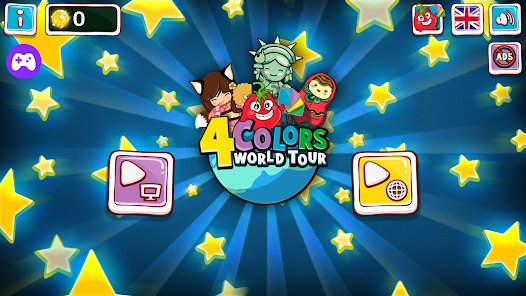
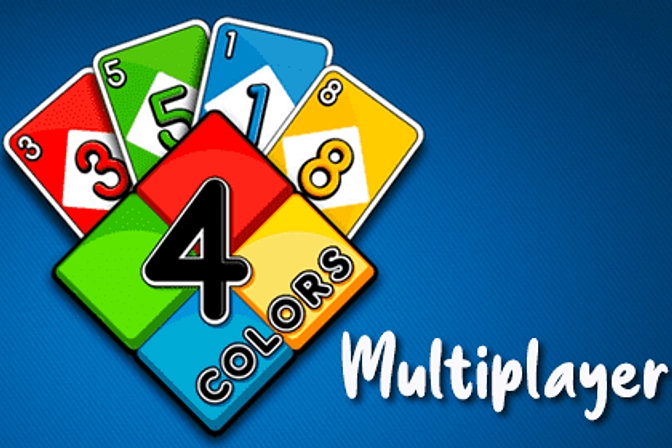
Four Colors World Tour Multiplayer is a globe-spanning online card game that takes the classic color-and-number hand-shedding formula and puts it in the hands of a worldwide player community. The name isn't just branding — every match connects you with real opponents from across the globe, making the competition genuinely international and the experience of winning meaningfully earned against players who bring diverse strategies to the table.
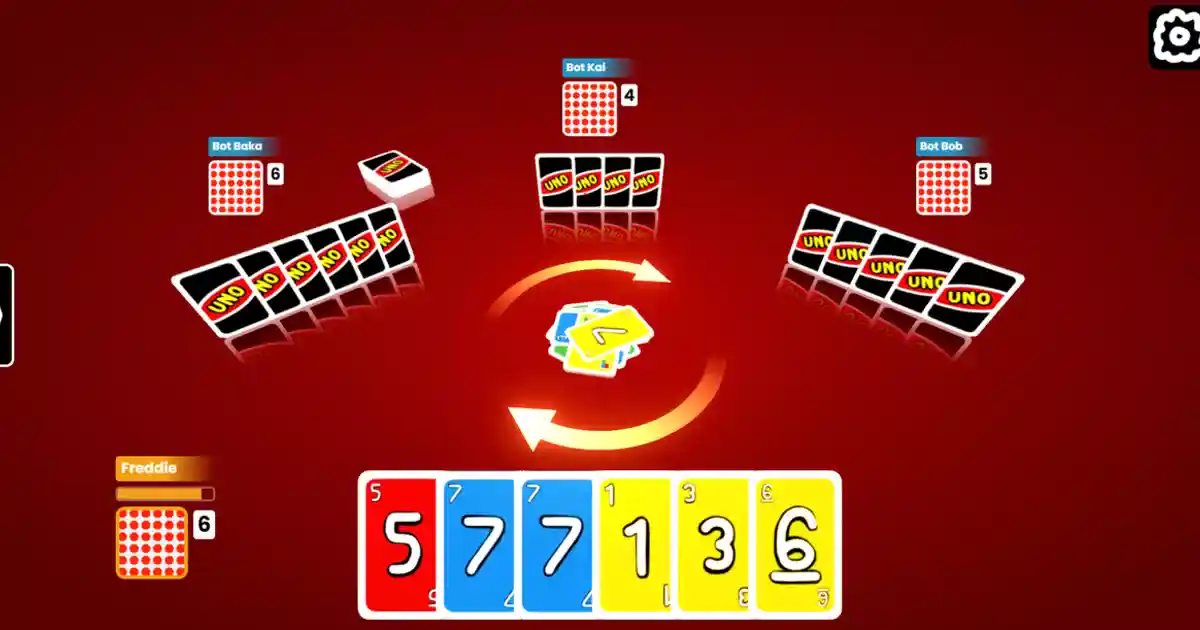
The core gameplay is clean and immediately accessible: seven cards each, match by color or number, first to empty their hand wins. But the special card suite — color changers, turn reversals, ban cards, and bonus draw cards — creates the tactical depth that keeps every match from feeling like a simple race. Managing when to deploy these cards, how to read the current hand sizes around the table, and when to protect yourself versus when to press an advantage is where the real game lives.
The Uno button mechanic adds a critical timing layer to the endgame. When you're down to one card, pressing the Uno button — ideally immediately after playing your second-to-last card — is mandatory. Miss it and you face penalties. Make it cleanly and you're one valid play from victory. This small procedural rule creates enormous late-game tension that transforms what could be a routine hand-empty moment into a high-stakes decision point.
Whether you're a longtime fan of Uno-style card games looking for a globally connected version, or a new player exploring the genre, Four Colors World Tour Multiplayer is a complete, well-structured competitive card game experience.
Key Details:
| Genre: | Card Game / Online Multiplayer |
| Difficulty Level: | Easy to Medium |
| Average Play Time: | 10–20 minutes per match |
| Best For: | Card game enthusiasts who enjoy competitive global multiplayer; accessible for all ages and experience levels |
2. How to Play Four Colors World Tour Multiplayer
Getting Started:
- Each player receives seven cards at the start of the match.
- A card is revealed to begin the discard pile — its color and number set the opening play.
- Take turns playing a card that matches the discard pile's current color or number.
- If you can't play, draw a card from the deck.
- When your hand is down to one card, press the Uno button immediately — then play your final card to win.
Basic Controls:
- Click / Tap Card: Play a valid card from your hand onto the discard pile.
- Click / Tap Deck: Draw a card when no valid play is available.
- Uno Button: Press immediately when you have one card remaining to avoid a penalty.
Objective: Discard all seven starting cards (plus any drawn along the way) before any other player. Use color and number matching, special cards, and precise Uno button timing to win each match.
3. Four Colors World Tour Multiplayer Features & Highlights
- ✓ Global multiplayer matchmaking — compete against real players from around the world in every match
- ✓ Full special card suite — color changers, turn reversals, ban cards, and bonus draw cards create multi-layer disruption
- ✓ Uno button mechanic — a mandatory timing element that adds genuine tension to every endgame moment
- ✓ Seven-card starting hand — the standard format that balances match length with strategic hand management depth
- ✓ Accessible worldwide competition — browser-based, no download required, playable on any device
4. Four Colors World Tour Multiplayer Tips & Strategies
Beginner Tips:
- Press the Uno button the moment you play your second-to-last card. Don't wait until after you've played it — develop the habit of pressing the button at the same instant you play the card. Delays lead to penalties that can cost you a match you were about to win.
- Use color-change cards to shift to your dominant color. Count your hand's color distribution before playing a color changer — always declare the color you hold the most cards in to maximize your immediate playability.
- Don't use ban or bonus cards on players with full hands. These special cards have the most impact against players close to winning. Saving them for the endgame rather than spending them early is one of the easiest improvements a new player can make.
Advanced Strategies:
- Track opponent hand sizes throughout the match. The player with the fewest cards is your primary target for disruption. Every ban or bonus card you play should be evaluated based on who it will hit and how much it will delay their win.
- Manufacture the Uno moment. Rather than waiting to naturally reach one card, actively play toward it — identifying which card you'll hold as your final card and playing the others in a sequence that brings you there efficiently, with the Uno button press already in mind.
- Use turn reversal to redirect incoming pressure. If another player is about to play a ban or bonus card against you, a well-timed turn reversal changes who they target. Anticipating disruption and pre-empting it with a reversal is a high-value advanced play.
What to Watch Out For:
- Missing the Uno button. This is the most common and most punishing error in the endgame. Make pressing the Uno button muscle memory by practicing it every time you reach two cards, not just when you're about to play your final one.
- Playing too conservatively with special cards. Hoarding color changers and ban cards "for the right moment" often results in ending the game still holding them. If a special card provides meaningful advantage in the current situation, use it — the perfect moment is usually now.
5. Four Colors World Tour Multiplayer Game Elements Explained
The Special Card System: Four Colors World Tour Multiplayer's competitive depth comes primarily from its special card types, each of which disrupts the turn order or the opponent's hand in a specific way. Color-changing cards let you declare the new active color — a powerful hand-management tool for concentrating your playable options. Turn-reversing cards flip the direction of play, changing who plays next and potentially deflecting incoming attacks. Ban cards skip the next player's turn entirely (sometimes requiring them to draw cards as well). Bonus cards force one or more opponents to draw additional cards, swelling their hand and setting them back. The art of special card management is knowing which card to play when — using them opportunistically rarely produces the same results as deploying them at carefully calculated moments.
The Uno Button Mechanic: When a player's hand is reduced to exactly one card, they are required to press the Uno button — a visual declaration that they have one card remaining, equivalent to saying "Uno" in the physical card game. This button must be pressed immediately after playing down to one card; delayed pressing (or failing to press at all) results in a penalty, typically forcing the player to draw additional cards. The Uno button creates meaningful late-game drama: the whole table knows who's close to winning, opponents have one last window to deploy disruption cards before the next turn, and the near-winner must balance executing their final play cleanly while handling the button timing. It's a small mechanic with outsized impact on match tension.
The Global World Tour System: The "World Tour" in Four Colors World Tour Multiplayer refers to its global online matchmaking, which connects players from different countries and time zones for real-time competitive matches. This isn't just a cosmetic feature — the worldwide player pool means you're always facing genuinely varied opponents whose strategies reflect different playing styles and card game traditions. The global competition also ensures matches are available around the clock, with a player pool large enough to keep waiting times short. Playing against international opponents also exposes you to a wider range of playstyles and tactical approaches than a regional player pool would, making it a more effective learning environment for players working to improve their competitive card game skills.
6. Four Colors World Tour Multiplayer Frequently Asked Questions
Q: When exactly should I press the Uno button?
A: Press the Uno button at the same moment you play your second-to-last card — the instant that card leaves your hand and goes to the discard pile. Pressing after you've already played it creates a window for a penalty. Develop the habit of pressing button and playing card simultaneously.
Q: What happens if I forget to press the Uno button?
A: You receive a penalty — typically being forced to draw additional cards from the deck. This can convert a near-win position into a much longer match. The Uno button is mandatory, not optional, when you reach one card.
Q: How do I change the active color during my turn?
A: Play a color-changing special card from your hand. After playing it, declare which color you want the active color to be — that color becomes what the next player must match for their turn.
Q: What is a ban card?
A: A ban card skips the targeted player's next turn, sometimes also forcing them to draw cards. It's one of the most disruptive special cards in the game and is best deployed against players who are close to winning.
Q: Is Four Colors World Tour Multiplayer playable on mobile?
A: Yes — the game uses touch-friendly controls and runs in mobile browsers without any download, making it fully accessible on phones and tablets.