






1. Garden Tales Mahjong 2 Game Overview
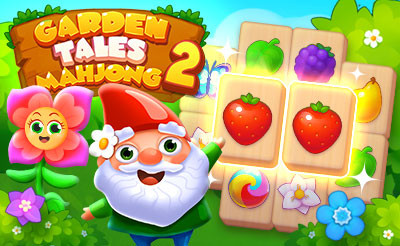
Garden Tales Mahjong 2 is a beautifully presented tile-matching game that transports you to a whimsical fairy tale garden filled with berries, farm tools, and cheerful forest elves. The visuals are lush, the colors are vivid, and the tile artwork is charming — but beneath the storybook aesthetic lies a genuinely challenging matching puzzle that will test your pattern recognition and speed under time pressure.
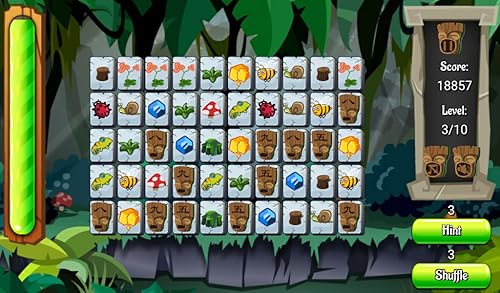
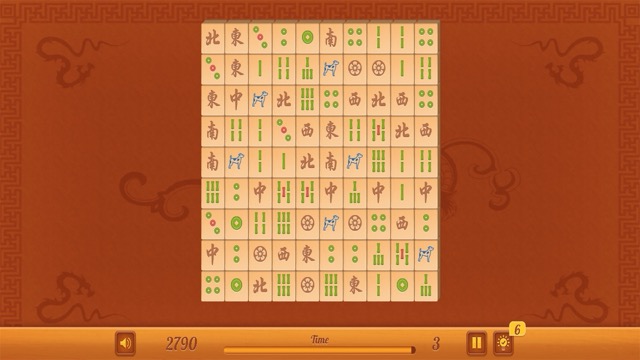
The gameplay follows the classic mahjong tile-matching structure: identify two identical tiles that are both "free" (accessible, with at least three free edges), click them to remove the pair, and work through the stacked board until all tiles are cleared. The stacking mechanic means not every matching pair is immediately accessible — some tiles are buried beneath others and only become playable once the tiles above them are removed. This creates a layered strategic dimension: it's not just about spotting matches, but spotting matches in the right order to systematically unlock the tiles you need.
The time limit is Garden Tales Mahjong 2's sharpest edge. Unlike leisurely mahjong games where you can study the board indefinitely, here the clock creates constant pressure — you need to find and execute matches quickly, scan efficiently, and use your support tools wisely when the board momentarily stumps you. This combination of spatial puzzle-solving and time pressure is what gives the game its addictive tension.
Two modes — Quick Match and Chapters — offer different pacing for different moods. The fairy tale garden setting makes every session feel like a pleasant visit to somewhere beautiful, even when the matching challenge is at its most demanding.
Key Details:
| Genre: | Puzzle / Mahjong / Tile Matching |
| Difficulty Level: | Easy to Medium |
| Average Play Time: | 5–10 minutes per level |
| Best For: | Casual puzzle fans who enjoy mahjong-style tile matching, time-pressured challenges, and charming visual environments |
2. How to Play Garden Tales Mahjong 2
Getting Started:
- Survey the tile board — tiles are stacked in layers, with some accessible and others buried beneath them.
- Identify "free" tiles — tiles with at least three unobstructed edges that can be selected.
- Click two free tiles that show the same image to remove both from the board.
- Continue clearing pairs, working through the stacks to expose buried tiles beneath.
- Clear all tiles before the timer runs out to complete the level.
Basic Controls:
- Click / Tap to Select: Click a free tile to select it; click a second free tile with the same image to remove the pair.
- Hint Button: Activates a hint (may require watching a short advertisement) to highlight a valid available pair.
- Shuffle Button: Rearranges the remaining tiles to open new match possibilities (may require an advertisement).
- Undo Button: Reverses your last match pair removal (may require an advertisement).
Objective: Clear every tile from the board by matching and removing all identical free pairs before the time limit expires. Use hint, shuffle, and undo support tools to overcome particularly challenging board states.
3. Garden Tales Mahjong 2 Features & Highlights
- ✓ Charming fairy tale garden aesthetic — berries, farm tools, and forest elf tile artwork create a delightful visual environment
- ✓ Two game modes — Quick Match for fast sessions and Chapters for longer structured progression
- ✓ Time-limited challenge — a countdown timer adds urgency that transforms relaxed tile matching into exciting pressure play
- ✓ Layered tile stacking — tiles buried beneath others create strategic depth beyond simple spot-the-match gameplay
- ✓ Hint, shuffle, and undo support — three tools to assist in difficult board situations
4. Garden Tales Mahjong 2 Tips & Strategies
Beginner Tips:
- Scan for accessible pairs immediately. Before clicking anything, spend five seconds scanning the full board for all currently free pairs. Knowing your options prevents impulsive clicking and ensures you're choosing the highest-impact pair first.
- Prioritize pairs that uncover buried tiles. Two matching tiles sitting on top of other tiles are worth more than two matching tiles sitting at the edges doing nothing. Removing them exposes new tiles beneath, expanding your options faster.
- Work from the top layers down. Clearing tiles from the highest stacked layers first systematically exposes tiles below. Bottom-up clearing (removing tiles from the board's perimeter) often creates dead ends where buried tiles become surrounded and inaccessible.
Advanced Strategies:
- Identify your scarcest tile types first. Some tile images appear only a few times in the layout. Locate all instances of rare tile types early — if you remove one from a position where its pair becomes inaccessible, you've created an unresolvable block. Find and clear rare pairs before common ones whenever possible.
- Use shuffle strategically, not reactively. The shuffle button is most valuable when several tiles are accessible but no valid pairs exist among them — when the board is "technically open" but practically stuck. Shuffling when you still have multiple valid pairs available wastes the support tool on a situation you could resolve naturally.
- Track the timer and adjust pace accordingly. In the early portion of a level, deliberate pair selection is worth the extra seconds it costs. When the timer approaches its last third, switch to faster, more instinctive matching — clearing anything clearable rather than optimizing each choice.
What to Watch Out For:
- Isolating tiles by clearing around them too aggressively. Clearing all tiles adjacent to a specific tile can leave it surrounded and inaccessible, particularly for tiles that need to be slid off from a specific direction. Before clearing a cluster of tiles near an important one, confirm the important tile will still be reachable afterward.
- Running out of valid pairs before the timer. If no valid free pairs exist and all support tools are exhausted, the level cannot be completed. This is rare but can happen with particularly poor initial tile arrangements — learn to use shuffle early when a board looks like it's trending toward total blockage.
5. Garden Tales Mahjong 2 Game Elements Explained
The Free Tile Accessibility System: Not every tile on the board can be selected at any given moment. Garden Tales Mahjong 2 follows classic mahjong tile accessibility rules: a tile is "free" (selectable) only if it has at least three unobstructed edges — meaning no other tile is sitting directly on top of it and it has open space on at least three of its four sides. Tiles in the middle of densely stacked columns are blocked by the tiles above them and by neighbors on both sides, making them inaccessible until those surrounding tiles are removed. This accessibility rule is what gives the game its strategic depth: finding a match isn't just about seeing two identical tiles — it's about finding two identical tiles that are both simultaneously free, which often requires planning several removals ahead to ensure a needed pair becomes accessible together.
The Layered Stack System: Garden Tales Mahjong 2's tile layouts are built in multiple layers, with tiles stacked atop other tiles in configurations that vary by level. This stacking creates a hierarchical puzzle: the tiles you can reach immediately are the top layer; the tiles you actually need may be in lower layers obscured by the tiles above them. Clearing the top layer isn't just about removing those tiles — it's about making deliberate choices about which top-layer pairs to remove first in order to expose the most useful lower-layer tiles next. Levels where tiles are stacked deeply in pyramid formations require thinking three or four layers ahead, because the order in which you clear the top determines what becomes accessible two layers down.
The Two-Mode Structure: Garden Tales Mahjong 2 offers two distinct play modes that serve different player preferences. Quick Match provides standalone puzzle sessions — single boards with a defined tile layout, playable as individual challenges without connection to a broader narrative progression. This mode suits players who want a quick mahjong session without commitment to a longer play arc. Chapters mode delivers a structured sequence of levels organized into thematic progression, with each chapter building on the previous and potentially unlocking new tile art or board configurations as you advance. Both modes use the same core gameplay rules and time limit structure, making skills developed in one directly applicable to the other. Choosing between them is purely a matter of whether you prefer freestanding sessions or progressive chapter completion.
6. Garden Tales Mahjong 2 Frequently Asked Questions
Q: How do I know if a tile is available to select?
A: A free tile is one with at least three open (unobstructed) edges — it cannot have another tile sitting directly on top of it, and must have enough open sides to be considered accessible. Most versions highlight or visually distinguish free tiles from blocked ones to make them easier to identify at a glance.
Q: What should I do if I can't find any matching pairs?
A: Use the Hint button to highlight a valid available pair (may require watching a short advertisement). If no valid pairs exist among the currently free tiles, use the Shuffle button to rearrange the remaining tiles and potentially create new pair possibilities.
Q: Does it matter which pairs I remove first?
A: Yes — significantly. Removing pairs that uncover buried tiles expands your options faster than removing pairs that only clear edge tiles. Planning your removal sequence to systematically expose lower-layer tiles is the primary strategic skill in the game.
Q: What happens if I run out of time?
A: The level ends when the timer reaches zero, regardless of how many tiles remain. Restart the level and try to match more efficiently — prioritize faster scanning and fewer hesitations to clear more tiles in the same time window.
Q: What's the difference between Quick Match and Chapters mode?
A: Quick Match provides standalone individual puzzles — great for quick sessions without commitment to progression. Chapters mode offers a structured sequence of levels organized into thematic groups with progressive difficulty, suitable for players who prefer a longer play arc with a sense of advancement.