




1. Jewels Kyodai Mahjong Game Overview
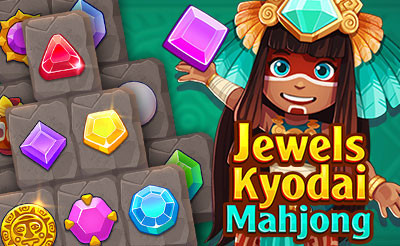
Jewels Kyodai Mahjong is an ambitious fusion of two beloved puzzle genres: the tile-matching strategy of classic mahjong and the sparkling, jewel-themed visual identity of match-3 games. The result is a mahjong experience that feels simultaneously familiar to genre veterans and visually fresh to players who've spent more time with jewel-based games — and with over 60 carefully designed puzzles plus a Shuffle mode for endless variety, it's also one of the more content-rich mahjong implementations available.
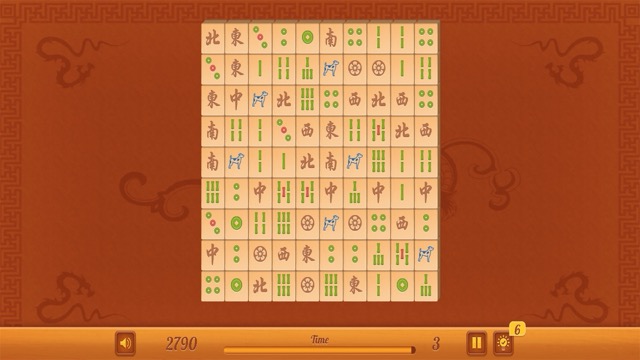
The core gameplay follows classic mahjong tile-matching rules: identify two exposed tiles showing the same symbol, click to remove them, and work through the board until all tiles are cleared. The jewel theme gives each symbol set a distinct visual character — glittering gems, mystical icons, and colorful patterns that make tile identification feel more dynamic than traditional mahjong's plain illustrated tiles. The visual design rewards players who find the aesthetic engaging, but it never compromises the clarity that makes fast matching possible.
The puzzle library's depth is a genuine standout. Over 60 puzzles, each painstakingly crafted for a unique and engaging experience, means the game doesn't rely on random generation to provide variety — each puzzle is a designed challenge with its own structural logic and difficulty profile. The Shuffle mode adds procedurally generated boards for players who want unlimited variety beyond the curated library, effectively giving Jewels Kyodai Mahjong an infinite content horizon.
Speed-based high scoring rewards players who match quickly, making the game equally satisfying as a relaxed puzzle experience and as a competitive personal-best chase.
Key Details:
| Genre: | Puzzle / Mahjong / Tile Matching |
| Difficulty Level: | Easy to Hard (varies by puzzle selection) |
| Average Play Time: | 5–15 minutes per puzzle |
| Best For: | Mahjong fans and jewel-game enthusiasts who want a content-rich tile matching experience with speed scoring and extensive puzzle variety |
2. How to Play Jewels Kyodai Mahjong
Getting Started:
- Select a puzzle from the library or choose Shuffle mode for a random board.
- Scan the board and identify two exposed tiles showing the same jewel symbol.
- Click both matching exposed tiles to remove them from the board.
- Continue clearing pairs, exposing buried tiles as layers are removed.
- Clear all tiles to complete the puzzle — match quickly for the highest score.
Basic Controls:
- Click to Select: Click an exposed tile to select it.
- Click to Match: Click a second exposed tile with the same symbol to remove both.
- Puzzle Selector: Browse and choose specific puzzles from the library or activate Shuffle mode for a random board.
Objective: Clear all tiles from the board by matching identical exposed tile pairs. Complete each puzzle as quickly as possible — faster clears earn higher scores. Work through the 60+ puzzle library or use Shuffle mode for unlimited new boards.
3. Jewels Kyodai Mahjong Features & Highlights
- ✓ 60+ hand-crafted puzzles — each puzzle is individually designed for a unique structural and difficulty experience
- ✓ Shuffle mode — procedurally generated boards for unlimited variety beyond the curated puzzle library
- ✓ Jewels Blitz visual theme — sparkling gem-inspired tile artwork that gives the classic mahjong format a fresh visual identity
- ✓ Speed-based scoring — faster matching earns higher scores, rewarding both puzzle mastery and quick tile identification
- ✓ Daily play benefits — consistent daily sessions sharpen tile recognition speed and strategic pattern reading
4. Jewels Kyodai Mahjong Tips & Strategies
Beginner Tips:
- Start by locating your rarest symbols. Some tile symbols appear only twice in the full puzzle layout — one pair. Find these rare pairs early and ensure one of the two isn't being inadvertently blocked while the other remains accessible.
- Clear top-layer tiles first. Tiles stacked on top of others block access to the layers beneath them. Removing top-layer tiles systematically cascades access to new matching opportunities below.
- Don't match just because you can. A matching pair of exposed tiles isn't always worth clearing immediately. Ask whether clearing them now opens new pairs — or whether holding them exposes a more strategically valuable match elsewhere first.
Advanced Strategies:
- Read the board's "shape" before matching anything. Spend 10 seconds at the start of each puzzle scanning the full layout. Identify the densest clusters, the most isolated tiles, and the pairs that will cascade the most new access when removed. First moves should be the highest-cascade choices.
- Build chains of successive removes. The best scoring plays happen when each pair you remove immediately reveals a new match — a chain of successive clears without scanning pauses. Identifying and sequencing these chains from the initial scan is the skill that separates fast clearances from slow ones.
- Use Shuffle mode for targeted difficulty practice. If certain tile arrangement types consistently slow you down, use Shuffle mode to generate multiple boards with similar structures and practice your response until the pattern feels natural.
What to Watch Out For:
- Dead-end matching. Clearing a pair that leaves one tile of another pair permanently inaccessible (buried with no valid removal path) ends the puzzle. Before clearing tiles adjacent to a specific tile, verify that tile's pair partner is still reachable afterward.
- Speed at the expense of accuracy. The scoring system rewards speed, but clicking incorrect tiles (misidentified symbols or blocked tiles) wastes time and disrupts your scanning flow. Accurate fast clicking beats inaccurate rapid clicking every time.
5. Jewels Kyodai Mahjong Game Elements Explained
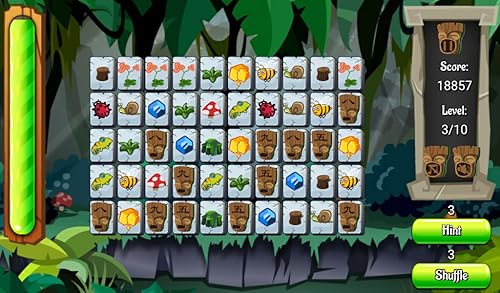
The Tile Accessibility and Matching System: Jewels Kyodai Mahjong follows standard mahjong exposure rules: a tile is matchable only when it is not covered by another tile on top and has at least one free lateral edge (no tile immediately adjacent on the left or right side). This accessibility constraint creates the puzzle's strategic depth — it's not simply about finding matching symbols, but about finding matching symbols that are both simultaneously accessible. Tiles buried in the middle of dense layers may match dozens of visible tiles, but cannot be cleared until the tiles above and beside them are removed. Planning the removal sequence to expose both members of a needed pair simultaneously is the core strategic challenge the game develops across its 60+ puzzle library.
The 60+ Puzzle Library System: Unlike many tile-matching games that rely on procedurally generated boards, Jewels Kyodai Mahjong features a hand-crafted library of over 60 individual puzzles. Each puzzle has a deliberately designed tile arrangement that creates a specific structural challenge — some reward top-down clearing strategies, others require working from edges inward, and others have specific critical paths where clearing tiles in the wrong order creates permanent dead ends. This curation ensures that each puzzle in the library feels distinctly different from the others, rather than feeling like variations on the same random arrangement. The puzzle selector allows players to choose specific entries, revisit completed puzzles for better scores, or progress through the library sequentially.
The Speed Scoring and Daily Practice System: Jewels Kyodai Mahjong's scoring rewards matching speed — each pair cleared quickly adds more to your score than the same pair cleared after a pause. This creates a competitive personal-best loop where the same puzzle cleared on a second attempt (with better board knowledge from the first) yields a meaningfully higher score. The game's suggestion to "play daily" reflects a genuine training benefit: consistent practice with the jewel tile symbols builds visual recognition speed that directly translates to faster matching and higher scores. Players who engage with the puzzle library regularly develop both the symbol familiarity and the board-reading pattern recognition that produce top-tier clearing times.
6. Jewels Kyodai Mahjong Frequently Asked Questions
Q: How do I know if a tile is accessible?
A: An accessible tile has no other tile sitting on top of it and has at least one open lateral edge (no tile immediately to its left or right). Most versions visually highlight or brighten accessible tiles to make them distinguishable from blocked ones at a glance.
Q: What is Shuffle mode?
A: Shuffle mode generates a random board layout rather than selecting from the hand-crafted puzzle library. It provides unlimited variety beyond the 60+ designed puzzles, making the game's content horizon effectively infinite for players who want more boards than the library provides.
Q: Can I revisit puzzles I've already completed?
A: Yes — the puzzle selector allows you to choose any puzzle from the library, including ones you've completed. Revisiting completed puzzles with better board knowledge typically produces faster clears and higher scores.
Q: What should I do if I can't find any matching pairs?
A: Check whether remaining accessible tiles have their pair partner also accessible — sometimes the matching tile is accessible but visually overlooked. If genuinely no accessible pairs exist, some versions provide a shuffle option to redistribute remaining tiles, though this may affect your score.
Q: Does playing daily actually improve performance?
A: Yes — consistent play builds visual familiarity with the jewel symbols, making identification faster. It also develops board-reading pattern recognition that makes identifying high-cascade clearing sequences quicker. Both translate directly to faster clears and higher scores over time.