
1. Tic Tac Toe Game Overview
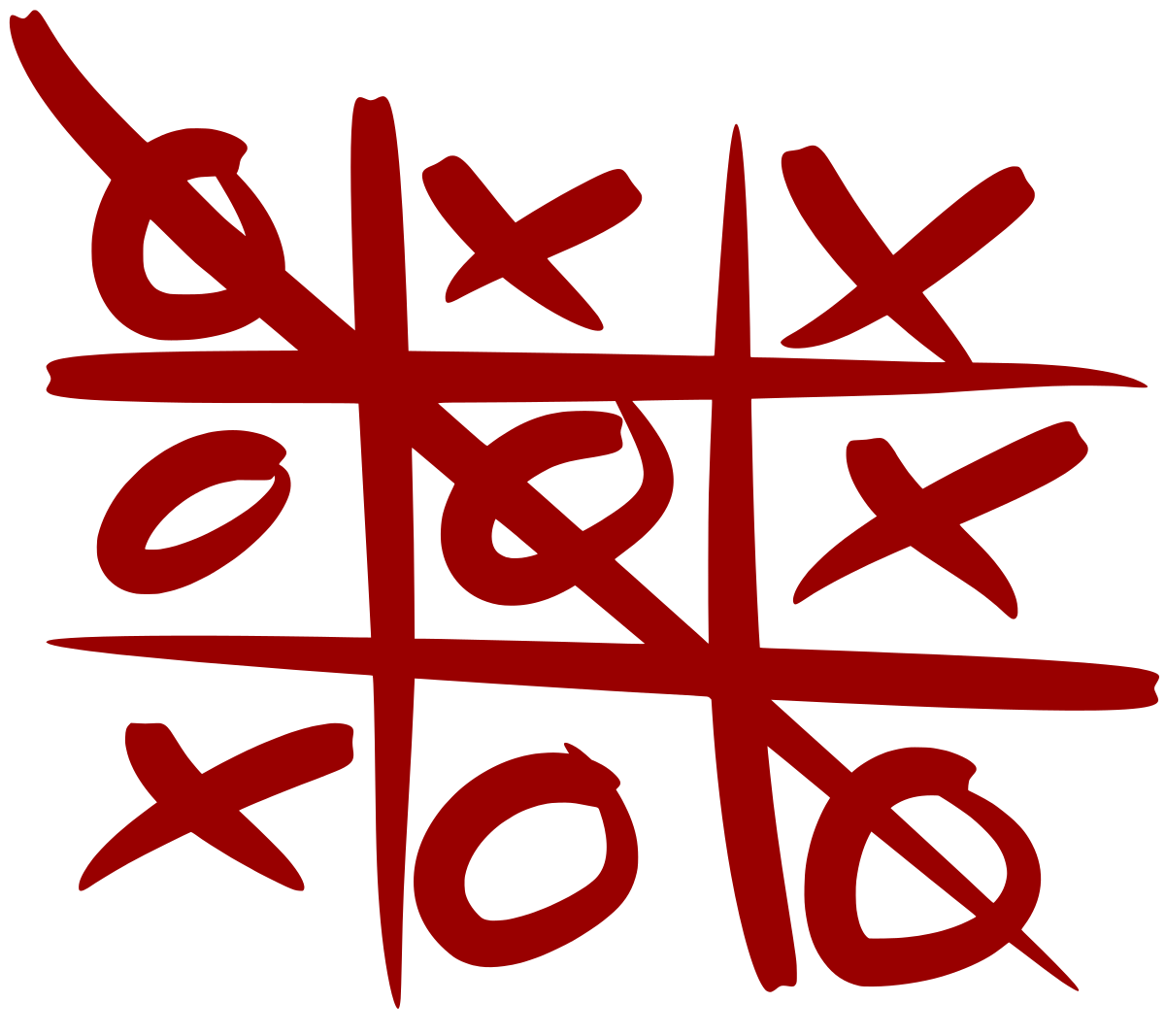
Tic Tac Toe is one of the most universally recognized games in the world — a game so simple that children learn it in minutes and so strategically interesting that entire academic papers have been written about its optimal play. The version at Uno Online brings this classic into a fresh format with one meaningful rule change: instead of the traditional 3×3 grid, players race to connect five marks in a row on a larger board. This extension transforms what is essentially a solved puzzle (standard Tic Tac Toe has known optimal strategies for both players) into a genuinely strategic game where positional thinking, threat creation, and opponent reading become real competitive skills.
You mark X, your AI opponent marks O. The board is larger than traditional Tic Tac Toe — more squares, more options, and more room for both offensive sequences and defensive blocking. The first player to connect five marks in a continuous row (horizontal, vertical, or diagonal) wins. Empty spaces without board squares are off-limits; each square holds exactly one mark.
The expanded board and five-in-a-row requirement create a game that balances attack and defense in a way that traditional Tic Tac Toe doesn't. You can't win by accident or luck — you have to build toward a row while simultaneously disrupting your opponent's sequences. The AI opponent is specifically described as "smart" enough that passive or unattentive play will result in losing — this is a game that rewards active strategic thinking.
Key Details:
| Genre: | Strategy / Board Game / Classic |
| Difficulty Level: | Easy to Medium (AI is genuinely challenging) |
| Average Play Time: | 5–15 minutes per game |
| Best For: | All ages; great for classic strategy game fans and players who want to develop pattern-recognition and tactical planning skills |
2. How to Play Tic Tac Toe
Getting Started:
- The board displays a grid of squares — larger than traditional 3×3 Tic Tac Toe.
- Click the square where you want to place your X mark.
- The AI opponent places its O mark in response.
- Continue alternating turns — you cannot repeat a marked square.
- The first player to connect five marks in a continuous horizontal, vertical, or diagonal row wins.
Basic Controls:
- Mouse Click (Desktop): Click a valid empty square to place your mark.
- Tap (Mobile): Tap a valid square to place your mark.
Rules:
- No time limit — take as long as needed to plan each move
- One mark per turn
- Cannot mark empty spaces without squares
- Each square holds only one mark
- Five in a row wins (horizontal, vertical, or diagonal)
Objective: Connect five X marks in a continuous row — horizontally, vertically, or diagonally — before the AI opponent connects five O marks.
3. Tic Tac Toe Features & Highlights
- ✓ Five-in-a-row format — an expanded version of classic Tic Tac Toe that requires genuine strategic depth
- ✓ Larger board space — more squares create more positional options and richer tactical decisions
- ✓ Challenging AI opponent — a smart AI that requires active strategic thinking rather than passive play
- ✓ No time limit — unlimited thinking time for deliberate, thoughtful move planning
- ✓ Universal accessibility — instantly familiar to anyone who's ever seen a Tic Tac Toe board
4. Tic Tac Toe Tips & Strategies
Beginner Tips:
- Control the center area. The center of the board provides the most directional options for building sequences — marks in the center can contribute to horizontal, vertical, and two diagonal rows simultaneously. Starting and maintaining a center presence gives you maximum offensive flexibility.
- Build sequences, not isolated marks. Each mark should be part of a growing sequence — three or four marks in a line that are building toward five. Isolated marks scattered across the board don't contribute to winning; they just waste turns.
- Watch the AI's developing sequences. The AI won't win passively — it's building toward five in a row just like you are. Identify which sequence is closest to completion and prioritize blocking it before attacking your own sequence.
Advanced Strategies:
- Create dual threats. A dual threat is a position where you have two separate sequences, each one move from winning. Your opponent can only block one — you win with the other. Building toward dual threats is the advanced offensive technique that even smart AI struggles to defend perfectly.
- Think three moves ahead. Before placing each mark, trace what the board will look like after your mark, the AI's response, and your following mark. This three-move forward trace helps you avoid creating positions where the AI can block you with one move and simultaneously advance its own sequence.
- Use diagonal sequences when the AI is focused horizontally. AIs often monitor horizontal and vertical threats more vigilantly than diagonal ones. A developing diagonal sequence may receive less defensive attention than an equivalent horizontal sequence.
What to Watch Out For:
- The AI's simultaneous attack/defense. The AI plays moves that both advance its own sequence and block yours simultaneously when possible. A move that seems purely defensive may also be extending a sequence you haven't noticed.
- Subjective safety assessment. Players who feel they're winning often become less attentive to the AI's developing sequences. The AI doesn't stop playing strategically when you're ahead — maintain active threat monitoring throughout the game.
5. Tic Tac Toe Game Elements Explained
The Five-in-a-Row Expansion: The key innovation in this Tic Tac Toe implementation is the extension from traditional three-in-a-row on a 3×3 grid to five-in-a-row on a larger board. This single change eliminates the "solved game" nature of traditional Tic Tac Toe and introduces genuine strategic depth. On a larger board, both players have room to build multiple developing sequences simultaneously — creating a positional game where reading the board, creating dual threats, and blocking opponent sequences require the kind of strategic thinking that traditional 3×3 Tic Tac Toe (which can be perfectly played through memorization) doesn't demand. The five-in-a-row format is specifically what makes this implementation strategically interesting rather than just familiar.
The AI Opponent System: The AI opponent in Tic Tac Toe is described as "smart" — meaning it doesn't make random moves or obvious mistakes. The AI evaluates board positions, identifies threatening sequences, and plays moves that simultaneously advance its own goals and defend against yours. Playing passively or inattentively against this AI produces losses, because the AI will quietly build a five-mark sequence if left unchallenged while you're focused on your own building process. Winning requires genuine strategic engagement — reading the AI's sequences, identifying where it's heading, and disrupting those paths while building your own. This opponent quality is what makes the game worth returning to rather than feeling trivially easy after a first win.
The No-Time-Limit Format: Unlike many competitive games that use time pressure to increase difficulty, Tic Tac Toe here has no time limit — you can take as long as needed to evaluate each position before placing your mark. This unlimited thinking time is a deliberate accessibility and quality-of-play choice: it rewards careful analysis over reflexes and makes the game suitable for players who want to develop their strategic thinking rather than compete on reaction speed. The depth of the five-in-a-row format on a larger board is specifically suited to this format — there are genuinely complex positions that benefit from extended analysis, making the unlimited time a meaningful gameplay asset rather than just a convenience feature.
6. Tic Tac Toe Frequently Asked Questions
Q: How is this different from regular Tic Tac Toe?
A: The main differences are the larger board and the five-in-a-row win condition instead of three. Standard Tic Tac Toe on a 3×3 grid is essentially a solved game with known optimal strategies. This version's larger board and five-mark requirement create genuine strategic complexity that requires active thinking.
Q: Can I win by making three or four in a row?
A: No — the win condition is specifically five consecutive marks in a row (horizontal, vertical, or diagonal). Three or four in a row without completing to five is not a win.
Q: Is the AI difficult to beat?
A: Yes — the AI is described as smart and won't win through luck or random play. Passive or unfocused play against it typically results in loss. Winning requires deliberate positional strategy and active monitoring of both your own and the AI's developing sequences.
Q: Is there a time limit?
A: No — Tic Tac Toe here has unlimited playing time. Take as long as needed to evaluate your position before placing each mark.
Q: Can I play against another human instead of the AI?
A: Check the game's current mode options — the implementation primarily features AI opposition, though some versions offer two-player local modes. The AI opponent provides a consistent competitive challenge that doesn't require finding a human opponent.