



1. Fairway Solitaire Game Overview
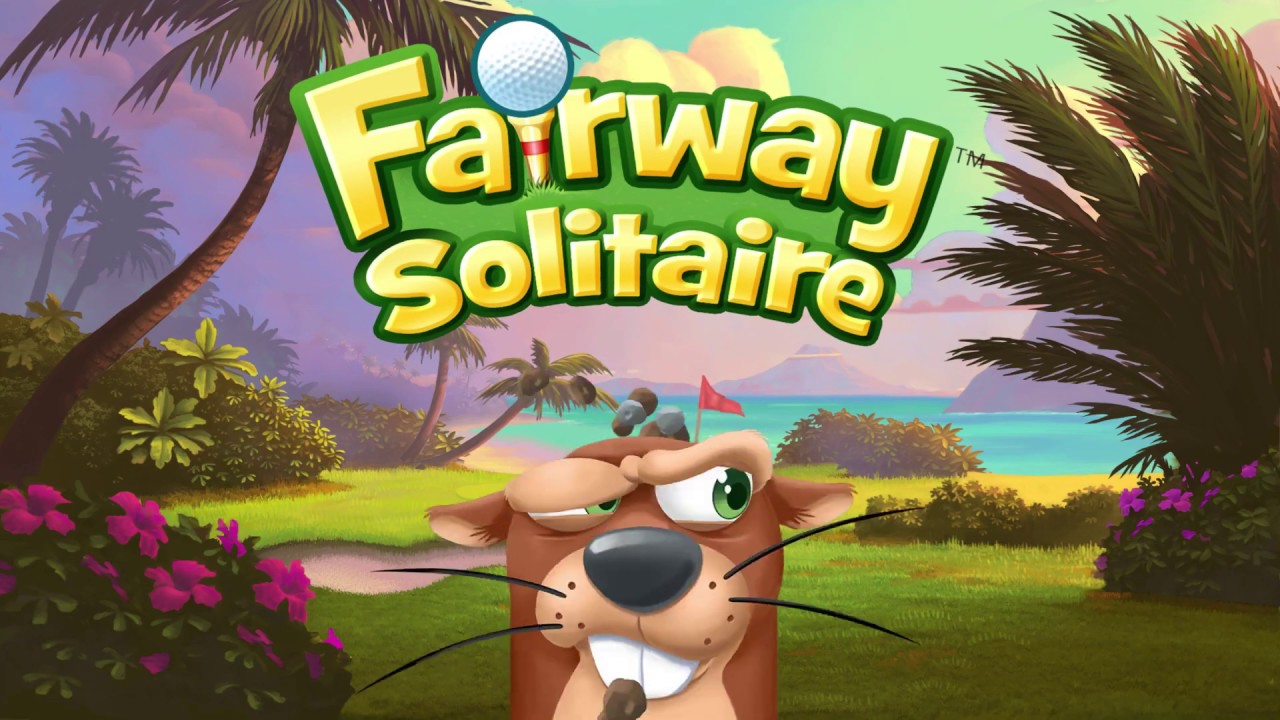
Fairway Solitaire is the rare casual game that makes two completely different hobbies feel like they were always meant to be together. Take the relaxed, methodical rhythm of solitaire card matching and overlay it with the scoring logic of golf — where fewer moves always mean a better result — and you get a game that's immediately intuitive, surprisingly strategic, and deeply replayable.
Every level is a golf hole. The cards spread across the fairway are your terrain. Your deck is your club. Each time you're forced to draw a new card instead of continuing a chain from the fairway, that's a stroke. Golf scoring means fewer strokes wins — so the longer you can chain consecutive fairway cards without dipping into your deck, the lower your score and the more impressive your round.
That single design decision changes everything. In most solitaire games, drawing from the deck is neutral — just part of the flow. In Fairway Solitaire, every draw carries a quiet cost. It incentivizes chain-building over passive play and pushes you to look ahead, plan your sequence, and extract the longest possible card run from each hole's layout before touching your deck. A six-card chain without a single draw feels like sinking a long putt. An efficient nine-hole round feels like a genuine accomplishment.
The golf course visuals and soothing soundtrack complete the package — this is a game designed to be relaxing to look at and satisfying to play, even when the strategy is quietly demanding your full attention.
Key Details:
| Genre: | Card Game / Solitaire / Casual Strategy |
| Difficulty Level: | Easy to Medium |
| Average Play Time: | 5–15 minutes per hole |
| Best For: | Casual card game fans and golf enthusiasts; anyone who enjoys combo-building and score optimization in a stress-free environment |
2. How to Play Fairway Solitaire
Getting Started:
- A card from your deck is revealed as the current base — note its value.
- Click any fairway card that is one value higher or lower than the base card to remove it.
- That card becomes your new base — chain the next pick from it.
- When no adjacent-value fairway card is available, draw from your deck (one stroke added).
- Clear all fairway cards to complete the hole.
Basic Controls:
- Click / Tap Fairway Card: Select a valid card one value above or below the current base to extend your chain.
- Click / Tap Deck: Draw a new base card when no valid chain card exists — adds one stroke.
Objective: Clear every card from the fairway across each hole while accumulating the lowest possible stroke count. Every deck draw is a stroke; every chain pick costs nothing. Finish under par to achieve the best scores.
3. Fairway Solitaire Features & Highlights
- ✓ Golf stroke scoring — every deck draw adds a stroke, making chain-building both strategically essential and intrinsically satisfying
- ✓ Combo chain bonuses — extended consecutive picks without deck draws earn bonus score on top of stroke savings
- ✓ Obstacle hazard cards — special cards require strategic handling before your chain can proceed freely
- ✓ Relaxing golf course aesthetic — bright course visuals and soothing audio create a calming atmosphere
- ✓ Hole-by-hole progression — each level is a distinct golf hole with a unique card layout and difficulty
4. Fairway Solitaire Tips & Strategies
Beginner Tips:
- Look three cards ahead before picking the first. Before touching anything, trace the longest chain you can see from the current base. The first pick sets the direction of everything that follows — make it count.
- Never draw when you can still chain. This sounds obvious, but impatience kills scores. Even a chain of two is worth preserving over drawing. Draw only when absolutely no adjacent-value card exists on the fairway.
- Clear obstacle cards early. Hazard cards block access to sections of the fairway. Dealing with them at the start of a chain — even if it shortens an opening run — prevents them from disrupting more valuable chains later.
Advanced Strategies:
- Identify value pivot points. A "pivot" card sits at a value that connects two otherwise separate chain sequences — a 7 that links a descending run from 10 down to 7, then feeds into an ascending run from 7 up to 11. Spotting and routing through these pivots dramatically extends chain length.
- Treat deck draws as directional resets. When you do have to draw, treat the new base card as an opportunity to start a chain in a completely different section of the fairway you hadn't been able to access yet. Don't just continue from where you left off — scout the whole board for the best new chain.
- Memorize par targets per hole. Each hole has a par stroke count. Knowing the target before you start encourages more aggressive chain planning rather than playing casually and hoping the score works out.
What to Watch Out For:
- Ace and King isolation. Aces connect only to 2s; Kings connect only to Queens. If either gets stranded without its neighbor value nearby, it becomes a chain dead-end that forces a draw. Track these extreme-value cards throughout the hole.
- Short-termism. Picking the most immediately available card rather than the card that opens the longest future chain is the most common scoring mistake. Always evaluate the chain opportunity a card creates, not just whether it's valid to pick now.
5. Fairway Solitaire Game Elements Explained
The Stroke Scoring System: Fairway Solitaire's stroke mechanic recontextualizes every move you make. In standard solitaire, drawing a card is a neutral action — part of normal gameplay. Here, it's a penalty stroke added to your golf score. The lower your total stroke count across all holes, the better your round. This scoring inversion — where less action means a better score — creates an unusual tension where restraint and planning outperform activity. The ideal round is one where you chain so effectively through each hole's fairway layout that your deck barely gets touched. A player who completes a hole with two deck draws is playing meaningfully better than one who completes the same hole with seven, even if both cleared the board.
The Chain Matching Mechanic: Building chains is the game's primary pleasure and primary challenge. The rule is simple: each card you pick from the fairway must be exactly one value higher or lower than the previous card. From a base of 8, you can pick a 7 or a 9; from a 9, a 8 or 10; and so on. Chains flow naturally up and down through value ranges, and the board's specific card distribution determines what's achievable. The most satisfying runs zigzag through the fairway in long value traversals — ascending through a cluster of mid-range cards, hitting a pivot, descending through another cluster — clearing large sections of the board without a single deck draw. Reading these traversal paths ahead of time, before committing to a first pick, is the skill that separates good Fairway Solitaire scores from great ones.
The Hazard Obstacle System: True to its golf theme, Fairway Solitaire places special obstacle cards throughout the fairway that function as course hazards. These cards can't be cleared through standard adjacent-value chain picks — they require specific conditions or targeted actions to remove. Like a bunker in real golf, they don't just cost you one stroke; they disrupt your routing and force strategic reconsideration of your hole approach. An obstacle card in the middle of an otherwise perfect chain path forces you to either route around it (using other cards in the fairway to detour) or clear it directly (spending resources to remove the hazard). Managing obstacles proactively — addressing them before they interrupt a high-value chain — is one of the game's more demanding strategic layers.
6. Fairway Solitaire Frequently Asked Questions
Q: What determines which fairway cards I can pick?
A: Any face-up, accessible fairway card whose value is exactly one higher or one lower than the current base card is valid. A base of 6 makes 5s and 7s valid; a base of King makes only Queens valid; a base of Ace makes only 2s valid.
Q: How do strokes affect my final score?
A: Each deck draw adds one stroke. Your total strokes for the hole are compared against the hole's par — finishing under par is the goal. Lower total strokes across all holes produces a better overall round score.
Q: Do obstacle cards count as strokes to remove?
A: Obstacle cards require specific actions to clear — check each hazard type for its removal condition. Some may cost resources or require specific card plays; consult the in-game indicators for each obstacle card you encounter.
Q: Is there a time limit per hole?
A: No — Fairway Solitaire is completely turn-based with no time pressure. You can plan each pick as carefully as you like. Only the stroke count, not the time spent, affects your score.
Q: What happens if I run out of deck cards before clearing the fairway?
A: The hole cannot be completed from that point. Restart with a focus on extending chain lengths — the more fairway cards you clear per deck draw, the less likely you are to exhaust the deck before finishing.